
Key Takeaways
- Forklift rental in Phoenix helps businesses reduce upfront capital expenses by avoiding the high purchase price, depreciation, and long-term ownership costs associated with forklifts.
- Renting shifts much of the maintenance and repair responsibility to the rental provider, allowing businesses to focus more on productivity and daily operations.
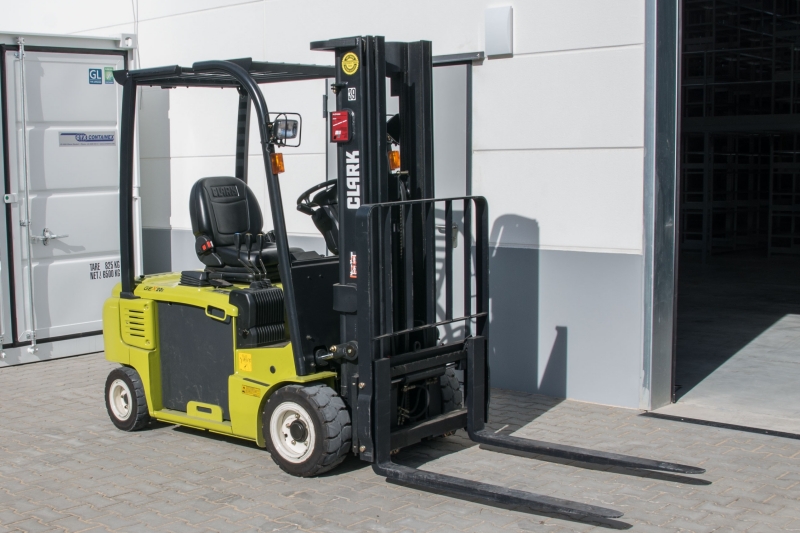
- Rental companies provide access to a wide selection of forklifts, including electric, internal combustion, and specialized models designed for different applications.
- Flexible rental terms make it easier for Phoenix businesses to scale their equipment fleets based on seasonal demand, project requirements, or unexpected workload increases.
- Renting can simplify equipment management by reducing the burden of storage, fleet replacement, and long-term asset ownership.
- Businesses can choose between short-term and long-term rental options based on their operational needs, helping them control costs and improve resource allocation.
- By selecting a reputable rental provider and the right forklift for each task, companies can improve operational efficiency while maintaining a more flexible approach to material handling.
Reduce Upfront Costs and Improve Cash Flow
Why Renting Can Be More Cost-Effective Than Buying
One of the biggest advantages of forklift rental is the opportunity to reduce upfront expenses. Purchasing a forklift requires a significant capital investment, and the total cost of ownership can extend far beyond the initial purchase price. Businesses may also need to account for depreciation, insurance, maintenance, repairs, and eventual replacement.
For companies operating in Phoenix, choosing forklift rental in Phoenix can provide a more manageable way to access essential equipment without tying up large amounts of capital. Instead of investing heavily in a fleet that may not be needed year-round, businesses can allocate their available funds toward staffing, inventory, expansion, or other strategic priorities.
Rental payments can also make budgeting easier. Businesses know the expected rental expense in advance, making it simpler to forecast operational costs and manage cash flow. This is particularly beneficial for companies with temporary projects or fluctuating workloads.
Lower Ownership Costs Over Time
Forklift ownership comes with several ongoing expenses that are easy to overlook. Depreciation gradually reduces the value of equipment, while repairs and scheduled servicing can create additional financial obligations.
Renting can help businesses avoid many of these long-term ownership concerns. Instead of carrying an aging fleet on the balance sheet, companies can access equipment when it is needed and return it when the project is complete.
This approach can be especially valuable for startups, growing businesses, and companies that prefer to preserve capital for more important investments.
Minimize Maintenance and Repair Responsibilities
Keep Your Team Focused on Core Operations
Maintaining forklifts requires time, money, and technical knowledge. Equipment must be inspected, serviced, and repaired regularly to remain safe and reliable. Unexpected mechanical problems can also result in downtime that affects productivity.
With a rental arrangement, many maintenance responsibilities are handled by the rental provider. Depending on the agreement, businesses may receive scheduled servicing, inspections, technical support, and assistance when equipment problems occur.
This reduces the administrative burden placed on facility managers and operations teams. Instead of spending valuable time coordinating repairs, employees can concentrate on warehouse operations, construction projects, logistics, and other core responsibilities.
Reduce the Risk of Unexpected Downtime
A forklift breakdown can bring material-handling activities to a halt. When a company owns its equipment, it may have to arrange repairs and wait for replacement parts or technicians.
Rental providers can often offer maintenance support or replacement equipment, depending on the terms of the rental agreement. This can help businesses respond more quickly to equipment issues and minimize disruptions.
For companies that depend on forklifts every day, having access to responsive support can make a meaningful difference in maintaining consistent productivity.
Access the Right Forklift for Every Job
Choose Equipment Based on Specific Requirements
Not every job requires the same type of forklift. A warehouse may need compact electric forklifts for indoor operations, while a construction project may require a heavy-duty internal combustion or rough-terrain model.
Renting gives businesses the flexibility to select equipment based on the specific requirements of each project. Instead of relying on one fleet for every situation, companies can choose forklifts with the appropriate lifting capacity, reach, power source, and maneuverability.
Common rental options may include:
- Electric forklifts for indoor applications and environments where low emissions are important.
- Internal combustion forklifts for demanding outdoor applications.
- Reach trucks for high-rack warehouse operations.
- Rough-terrain forklifts for construction sites and uneven surfaces.
- Specialized forklifts designed for unique material-handling requirements.
This variety allows businesses to match the equipment to the task instead of forcing a single forklift model to handle every operational challenge.
Keep Up With Equipment Technology
Rental fleets are often updated as newer equipment becomes available. This can give businesses opportunities to use modern forklifts with updated safety features, improved efficiency, and advanced operating technologies without purchasing an entirely new fleet.
For companies that do not want to commit to equipment ownership, renting can provide a practical way to access newer machinery when needed.
Scale Operations With Greater Flexibility
Adjust Your Fleet to Match Demand
Business needs can change quickly. A company may experience increased demand during a busy season, take on a short-term construction project, or require additional equipment to complete an urgent order.
Buying additional forklifts for temporary needs may not make financial sense. Rental options allow businesses to increase their equipment capacity without making a permanent investment.
For example, a Phoenix warehouse experiencing a seasonal increase in inventory may rent additional forklifts for several weeks or months. Once demand returns to normal, the company can reduce its rental fleet rather than maintaining equipment that is no longer necessary.
Choose Short-Term or Long-Term Rental Options
Different projects require different rental periods. Short-term rentals are useful for temporary assignments, emergency equipment needs, and seasonal increases in workload. Long-term rentals may be more suitable for businesses with ongoing equipment requirements that do not want to purchase and manage their own fleet.
Businesses should consider:
- How frequently the forklift will be used.
- How long the equipment will be required.
- Whether demand is seasonal or consistent.
- What type of forklift is needed.
- What maintenance and support services are included.
Choosing the appropriate rental period can help companies avoid unnecessary expenses while ensuring they have the equipment required to keep operations moving.
Simplify Equipment Management and Reduce Operational Risk
Avoid the Burden of Long-Term Equipment Ownership
Owning a forklift fleet involves more than simply purchasing the equipment. Businesses must manage maintenance schedules, repairs, storage, insurance, depreciation, and eventual replacement.
Rental arrangements can simplify equipment management by allowing businesses to access forklifts without taking on the full responsibilities of ownership. This can be particularly useful for companies that do not have dedicated fleet management teams or in-house equipment technicians.
Instead of worrying about the long-term lifecycle of each forklift, businesses can focus on using the equipment effectively and safely.
Support Safer and More Reliable Operations
Choosing the right equipment for each application can also contribute to safer operations. A forklift that is appropriately sized and designed for the task may be easier to operate and more suitable for the working environment.
Businesses should still ensure that all forklift operators receive appropriate training and that equipment is used according to applicable safety requirements. Rental providers can also help businesses identify equipment options that fit their operational needs.
By combining appropriate equipment selection, proper operator training, and regular inspections, businesses can create a more reliable material-handling environment.
Making the Most of Forklift Rentals in Phoenix
Forklift rentals can provide businesses with a practical combination of affordability, flexibility, and convenience. Instead of making a major investment in equipment that may not always be needed, companies can access the right forklift when and where it is required.
The biggest benefits include reduced upfront costs, fewer maintenance responsibilities, access to a wider range of equipment, flexible fleet capacity, and simpler equipment management. These advantages can help businesses respond to changing workloads while maintaining control over their operational expenses.
Before entering into a rental agreement, companies should compare providers, review rental terms carefully, confirm maintenance responsibilities, and select equipment based on the demands of the job. With the right rental strategy, businesses can improve productivity and maintain the flexibility needed to succeed in a competitive market.
FAQ
What are the main benefits of renting a forklift in Phoenix?
The primary benefits include lower upfront costs, reduced maintenance responsibilities, greater equipment flexibility, scalable rental terms, and simplified fleet management. These advantages make renting an attractive option for businesses with temporary, seasonal, or changing equipment needs.
Is forklift rental more affordable than buying?
Renting can be more affordable when a business only needs a forklift temporarily or has fluctuating equipment requirements. While purchasing may make sense for companies with consistent long-term usage, renting can help avoid depreciation, storage, and certain maintenance expenses.
What types of forklifts can businesses rent?
Available options vary by rental provider but may include electric forklifts, internal combustion forklifts, reach trucks, rough-terrain forklifts, and other specialized material-handling equipment.
How long can a business rent a forklift?
Rental periods vary depending on the provider and the company’s needs. Businesses may be able to arrange rentals for a few days, several weeks, or multiple months. Short-term and long-term options can provide flexibility for different projects.
Who handles forklift maintenance during a rental?
Maintenance responsibilities depend on the rental agreement. Many rental providers offer servicing and repair support, but businesses should carefully review the contract to understand exactly which maintenance tasks are included and which responsibilities remain with the renter.
Are electric forklifts a good option for Phoenix businesses?
Electric forklifts can be suitable for indoor warehouses and facilities where lower noise and reduced emissions are important. However, the best choice depends on the operating environment, load requirements, usage duration, and available charging infrastructure.
How should a business choose the right rental forklift?
Businesses should consider the required lifting capacity, maximum lift height, operating environment, fuel or power source, maneuverability, and expected rental duration. Consulting with a knowledgeable rental provider can also help identify the most appropriate model.
What should businesses check before signing a rental agreement?
Companies should review the rental duration, pricing, maintenance responsibilities, insurance requirements, damage policies, replacement procedures, and any additional fees. Understanding these terms in advance can help prevent unexpected costs and misunderstandings.


