
Key Takeaways
- Protect people and pets before attempting cleanup.
- Stop the water source if doing so does not create an electrical or physical hazard.
- Document the affected area and belongings before moving or discarding items.
- Start safe drying measures quickly, because moisture can remain behind surfaces.
- Bring in qualified help when water is contaminated, widespread, hidden, or difficult to dry.
Water damage can begin with something as ordinary as a supply-line leak, overflowing appliance, broken pipe, roof leak, or flooded basement. The first day matters because water can travel below flooring, into wall cavities, beneath cabinets, and through insulation before the full scope of the problem is visible. Prompt water damage restoration can help address moisture that ordinary cleaning cannot reach.
Fast action is valuable, but it should never come before safety. A small puddle from a clean plumbing leak may be manageable with careful cleanup, while a sewage backup, storm flood, or water near electrical equipment calls for a much more cautious response.
Why the First Day Matters
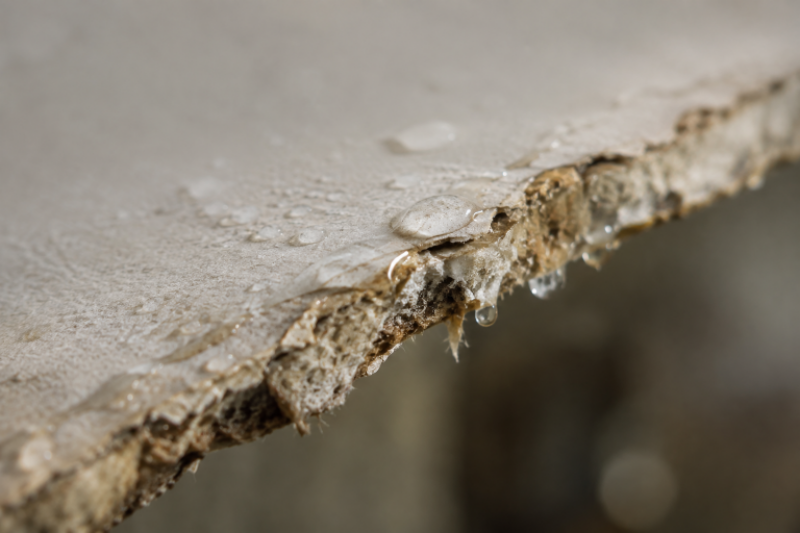
A surface can feel dry even when moisture remains trapped underneath it. Carpet padding, subfloors, drywall, baseboards, insulation, and cabinet toe kicks can hold water out of sight. That hidden moisture can damage materials and create conditions that support mold growth. The EPA advises drying water-damaged areas and items within 24 to 48 hours when possible, which is why the steps taken on day one are so important.
Drying is more than opening a window or placing a household fan in the room. The right approach depends on where the water traveled, how long it was present, the materials involved, the room temperature, the humidity, and whether the water was clean or contaminated.
First 15 Minutes: Protect People and Pets
Keep children, pets, and anyone not involved in the response away from the affected area. Do not walk into standing water if outlets, extension cords, appliances, exposed wiring, or an electrical panel may have been reached by water. If you cannot safely assess the electrical risk, stay out of the area and contact an electrician, utility provider, or emergency professional.
Watch for additional hazards, including sagging ceilings, slippery flooring, broken glass, contaminated water, and unstable furniture. If a ceiling is bulging or actively leaking, avoid standing underneath it. Water adds significant weight, and damaged materials can fail without warning.
Stop the Water Source if It Is Safe
If the source is a plumbing leak, stopping new water from entering the space is the next priority. Many toilets, sinks, washing machines, and water heaters have nearby shutoff valves. If a fixture valve cannot be reached safely or does not work, use the home’s main water shutoff valve.
Stopping the source does not mean the job is finished. Moisture already inside building materials may still need extraction and controlled drying. Before an emergency happens, it is helpful to identify and label fixture shutoffs and the main water shutoff for everyone in the household.
Document the Damage Before Cleanup
Take wide photos and video of every affected room before moving furniture or removing damaged materials. Then capture close-ups of the water source, standing water, water lines on walls, damaged flooring, ceilings, furniture, electronics, and personal belongings. A simple written log can also make the timeline easier to explain later.
- Record the date, approximate time, weather conditions, and suspected cause.
- Photograph damaged items from more than one angle.
- Save receipts for emergency supplies, temporary repairs, and lodging if needed.
- Do not discard valuable belongings until you have asked the insurer how they want them handled.
Call the Insurance Company Early
Notify the insurer or property manager as soon as practical. Ask what information is needed, whether emergency mitigation is covered, how to document personal property, and whether temporary housing may apply. Reasonable steps to prevent additional damage should not be delayed while waiting for an adjuster, but retain your records, photographs, and receipts.
Remove Standing Water With Care
For a small amount of clearly clean water, towels, mops, and a wet-dry vacuum may help remove surface water. Never use a standard household vacuum on standing water. Move dry, valuable belongings to a safe location where doing so will not spread water or put you at risk.
Water from sewage, outdoor flooding, or an unknown source should be treated as contaminated. It may contain microorganisms, chemicals, or debris. Cleanup of these losses often requires protective equipment, specialized cleaning, and removal of materials that cannot be safely restored.
Begin Drying the Space
Once it is safe, increase airflow and lower indoor humidity. Open doors between dry and wet areas when practical, use dehumidifiers, and place air movers only where electrical connections are dry and safe. Remove wet rugs, cushions, and loose items that can be dried elsewhere.
Fans can help evaporate surface moisture, but they do not confirm that a wall cavity, subfloor, or insulated area is dry. Moisture meters and other inspection tools help determine whether materials need further drying, removal, or repair. Do not paint, seal, or reinstall flooring over materials that have not dried completely.
Know When Floodwater Is a Special Hazard
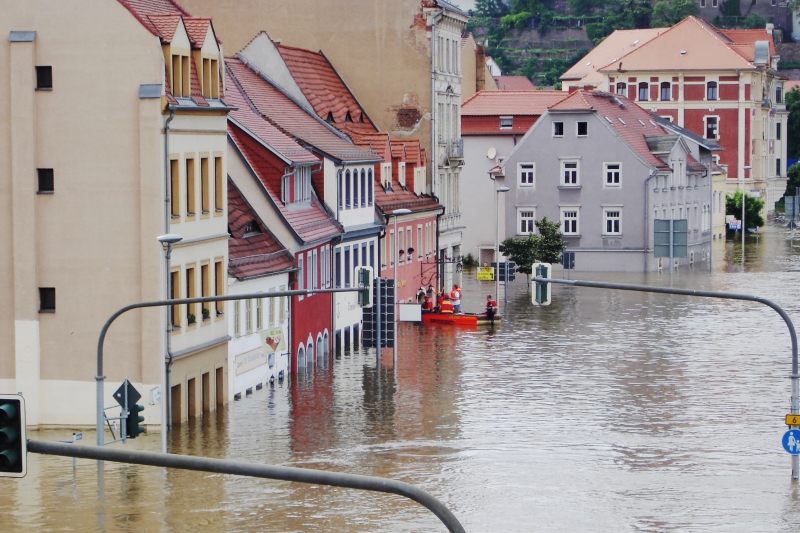
Outdoor floodwater is different from a clean supply-line leak. It can carry debris, pollutants, and sewage, and it can hide holes, sharp objects, or downed electrical hazards. Follow flood safety guidance by avoiding floodwater whenever possible and never touching wet electrical equipment.
What Not to Do After Water Damage
- Do not enter standing water near electrical equipment or outlets.
- Do not operate appliances plugged into wet outlets.
- Do not assume a musty odor will resolve without locating and drying the moisture source.
- Do not remove walls, ceilings, or flooring without considering hidden pipes, wiring, and structural risks.
- Do not mix cleaning chemicals, particularly bleach and ammonia-based products.
- Do not cover stains or moldy materials with paint before the underlying issue is corrected.
When Professional Help Makes Sense
Professional assessment is especially useful when damage affects multiple rooms, water has entered walls or flooring, drywall or insulation is soaked, ceilings are damaged, odors persist, mold is visible, or the water is contaminated. Restoration crews can use extraction equipment, air movers, dehumidifiers, moisture meters, and drying records to manage conditions that are difficult to evaluate by sight alone.
A Simple 24-Hour Checklist
- Move people and pets away from hazards.
- Address electrical risks only when it is safe to do so.
- Stop the water source.
- Photograph and video the damage.
- Notify the insurer or property manager.
- Move unaffected valuables from the area.
- Remove small amounts of clean standing water safely.
- Begin drying and reduce humidity.
- Arrange professional help for extensive, hidden, or contaminated damage.
Conclusion
The best response to water damage is calm, organized, and safety-focused. Protect people first, stop the source when possible, document what happened, and begin drying without taking unnecessary risks. When the problem extends beyond a small, clean surface spill, qualified help can make the recovery process safer and easier to manage.


