

Table Of Contents
- Why Homebuyers Remain A Target
- Common Mortgage Fraud Schemes
- Red Flags In Loan Documents
- Closing And Wire Fraud Warning Signs
- How To Verify The People Involved
- Ways To Protect Personal Information
- What To Do If Something Looks Wrong
- A Simple Mortgage Fraud Checklist
- Frequently Asked Questions
- Conclusion
Buying a home requires you to share financial records, sign detailed disclosures, and move a significant amount of money in a short period. Understanding a clear mortgage fraud definition can help you recognize when a request, document, or change does not fit the transaction you agreed to.
Fraud prevention does not require you to become a lending expert. It does require slowing down when something changes, comparing documents against your own records, and verifying important instructions through trusted contact information. A polished email, familiar logo, or urgent message is not proof that a request is legitimate.
Why Homebuyers Remain A Target
A real estate purchase creates several opportunities for deception because multiple parties may exchange sensitive data, documents, and payment instructions. Buyers also face deadlines tied to inspections, loan approval, moving plans, and closing dates. That pressure can make an unexpected request seem routine, especially when it appears to come from a lender, agent, attorney, or settlement provider.
Fraud can happen before an application is submitted, during underwriting, or just before closing. The safest habit is to treat any unexplained change as something that needs independent confirmation. You are allowed to ask questions, request written explanations, and take time to read what you are signing.
Common Mortgage Fraud Schemes
Mortgage fraud can involve false information used to obtain financing, manipulate a transaction, or steal money or property. Buyers should never agree to a statement they know is untrue, even if another person says the change is minor, temporary, or necessary to get the loan approved.
- Income or asset misrepresentation: Earnings, employment, savings, debts, or down payment sources are altered or falsely described.
- Occupancy misrepresentation: A borrower claims a property will be a primary residence when the actual plan is to rent it out or use it as an investment.
- Appraisal manipulation: A property value is presented in a way that is unsupported by the home or comparable sales.
- Identity theft: Someone uses another person’s personal information to seek credit, access accounts, or interfere with a transaction.
- Straw buyer arrangements: A person’s name and credit are used to obtain financing for someone else.
- Foreclosure relief scams: A distressed homeowner is pressured to pay fees, provide documents, or transfer ownership in exchange for promised help.
Red Flags In Loan Documents
Your application and closing documents should reflect the information you actually provided. A typo may be fixable, but an unexplained change to income, employment, assets, occupancy, debts, or fees deserves immediate attention. Do not sign a form that contains blank spaces or information you have not reviewed.
Questions To Ask Before Signing
- Do the income, assets, debts, and employment details match my records?
- Does the occupancy selection match how I truly plan to use the property?
- Is the source of my down payment accurately described?
- Can someone explain each unfamiliar fee or change in writing?
- Has every blank field been completed before I sign?
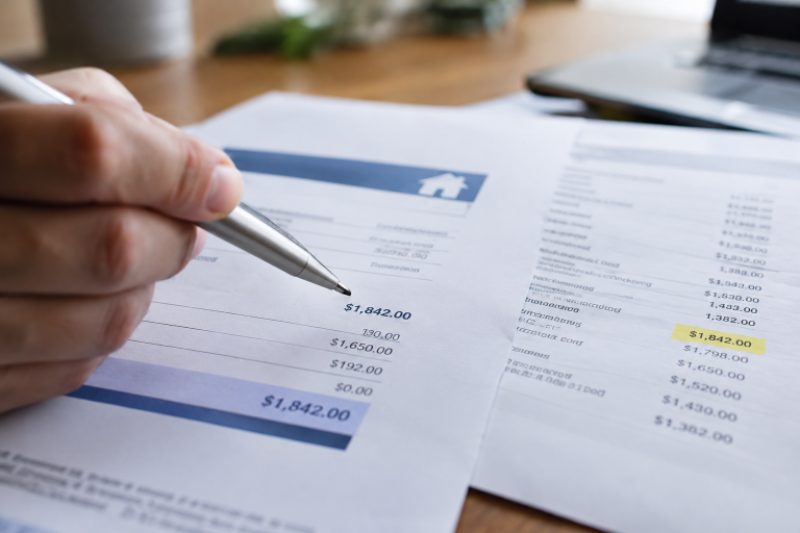
Keep copies of tax records, pay statements, bank statements, and key loan disclosures available while reviewing paperwork. Comparing the documents side by side makes it easier to spot a number, address, account, or statement that does not belong in your file.
Closing And Wire Fraud Warning Signs
Closing fraud often relies on impersonation. A scammer may send a message that looks like it came from your agent, lender, attorney, or title company and claim that wiring instructions have changed. The request may sound urgent and include a new bank account, deadline, or phone number.
The Consumer Financial Protection Bureau warns that scammers target buyers shortly before closing, which is why you should verify closing payment instructions through a known phone number before sending money. Do not use a phone number, email address, link, or reply button supplied in the unexpected message.
Closing-Day Safety Steps
- Save verified contact details for your lender and settlement provider early in the process.
- Confirm the final amount due directly with the settlement provider.
- Pause if wiring instructions change, even if the message looks authentic.
- Verify the recipient name and account details through an independent call.
- Contact your bank immediately if funds were sent to an incorrect or suspicious account.
How To Verify The People Involved
Before sharing sensitive information or sending money, verify the professionals involved using official sources. Visit the company’s established website, use a phone number you saved earlier, and check applicable state licensing records for loan officers, brokers, agents, or appraisers. A legitimate professional should be willing to explain routine questions about documents, fees, and the next steps.
Be cautious when someone discourages you from speaking with your lender, insists that you keep a request secret, or pushes you to sign immediately. High-pressure tactics do not automatically prove fraud, but they are a reason to stop and independently confirm what is happening.
Ways To Protect Personal Information
Financial information is valuable throughout the homebuying process. Protecting it reduces the chance that someone can access an account or convincingly impersonate you.
- Use unique, strong passwords for email, banking, and loan-related accounts.
- Enable multifactor authentication when it is available.
- Avoid sending Social Security numbers and account credentials through ordinary email.
- Never share one-time verification codes with an unsolicited caller or text sender.
- Review your credit reports for accounts or inquiries you do not recognize.
- Store signed documents and transaction records in a secure location.
- Limit public social media posts that reveal your closing date or travel plans.
What To Do If Something Looks Wrong
Act quickly, but do not panic. Stop responding to the suspicious message, preserve the evidence, and contact trusted parties through independently verified details. If a transfer has already been sent, call your bank or wire provider immediately and ask what fraud response or recall options may be available.
- Stop clicking links, sending documents, or providing more information.
- Call your lender, settlement provider, or agent using a number obtained earlier.
- Change affected passwords and review recent account activity.
- Save emails, text messages, screenshots, account details, and payment confirmations.
- Report suspected fraud through the appropriate government channels when the situation involves a scam or identity-related deception.
Do not let embarrassment delay your response. Prompt notice gives your bank and transaction professionals more time to review the issue and help protect your accounts.
A Simple Mortgage Fraud Checklist
- My loan application is complete and accurate.
- My income, employment, debts, assets, and occupancy plans match my records.
- I have verified the professionals involved through independent contact information.
- I understand the fees and have questioned anything unclear.
- I will not sign documents with blank fields or false statements.
- I will confirm payment instructions outside of email before sending funds.
- I use multifactor authentication on important financial and email accounts.
- I know whom to call if a message, document, or payment request seems wrong.
Frequently Asked Questions
Can A Buyer Be Responsible For A False Statement On A Mortgage Application?
Buyers should review every statement before signing and correct information they know is inaccurate. Do not rely on another party’s assurance that a false detail is harmless.
What Is The Biggest Closing Fraud Warning Sign?
A last-minute change to payment instructions is a major warning sign. Confirm the request by calling a trusted contact through a number you already know is legitimate.
What Should Someone Do After Sending Money To A Scammer?
Contact the bank or transfer provider immediately, preserve all communications, secure affected accounts, and report the incident. Fast action is important when money has been transferred.
Conclusion
Mortgage fraud prevention starts with a few disciplined habits. Read every document, state the facts accurately, protect personal information, and verify payment changes independently. When a request feels rushed, confusing, or inconsistent with what you were told before, pause the transaction and ask for confirmation before signing or sending money.


