

Table of Contents
- Introduction
- Preparing for Closing
- Facilitating Communication
- Reviewing Closing Documents
- Conducting the Final Walkthrough
- Coordinating the Closing Meeting
- Post-Closing Follow-Up
- Conclusion
Introduction
Navigating the closing process in a real estate transaction requires both expertise and careful coordination. The responsibilities of real estate agents extend far beyond simply matching buyers with sellers or showcasing properties. In fact, their involvement becomes even more critical as the deal approaches the finish line. Tucson, AZ real estate agents The Alder Group understand that facilitating a smooth closing benefits all parties involved, ensuring legal compliance and peace of mind.
Closing a property involves a sequence of tightly interwoven steps. From gathering the necessary documentation and overseeing the transfer of funds to guiding clients through unfamiliar paperwork, every step must be executed with precision. Real estate agents lend invaluable support by orchestrating these details, which helps prevent disruptions that could jeopardize a successful sale.
Preparing for Closing
Preparation is a hallmark of a successful closing process. Real estate agents serve as the central hub for communication and document management, often collaborating with lenders, title companies, attorneys, and inspectors to ensure all requirements are met in advance of the closing date. They proactively confirm that all documents, forms, and certifications are accounted for so buyers and sellers can avoid last-minute setbacks or delays. Well-prepared agents help their clients address concerns such as repairs or financing issues by creating clear timelines and checklists tailored to the transaction. Completing these steps thoroughly safeguards everyone’s interests as the transaction advances toward closing.
An agent’s vigilant oversight begins the moment an offer is accepted. Agents request updates from all involved parties, verify the satisfaction of contingencies, and ensure outstanding issues, such as appraisal discrepancies or unresolved repairs, are promptly resolved. According to the National Association of Realtors, many deals falter at this stage due to incomplete paperwork or miscommunication, underscoring the importance of an agent’s role in bridging these gaps before the closing table.
Facilitating Communication
Seamless communication among all stakeholders is essential for a timely, stress-free closing. Real estate agents serve as the primary liaison, efficiently relaying vital information among buyers, sellers, attorneys, lenders, and title agents. They respond to inquiries, clarify confusing contract terms, and alert clients to any required signatures or document modifications. Such communications prevent misunderstandings, mitigate the risk of delays, and better prepare clients for what to expect at each stage.
Reviewing Closing Documents
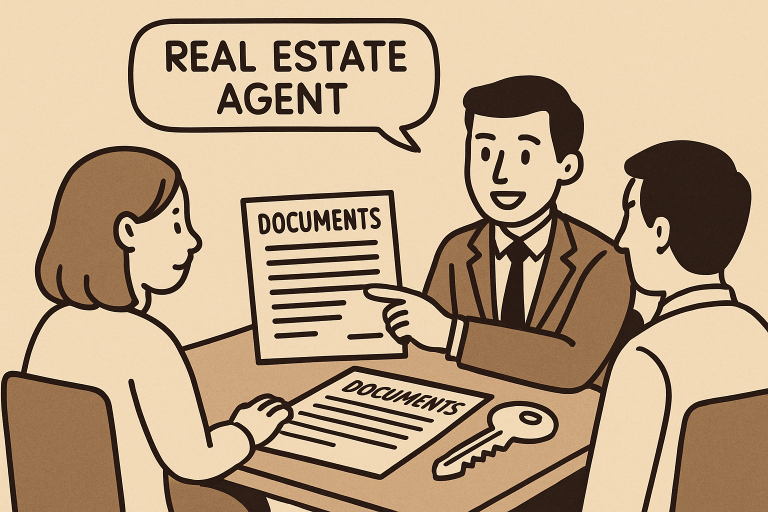
Before the closing meeting, agents guide their clients through the mountain of required paperwork. Reviewing the settlement statement, deed, loan documents, and disclosures can be daunting, especially for first-time buyers or sellers. Agents break down complicated legal jargon, verify that all numbers align with previously negotiated terms, and watch for errors that could cost clients money. If discrepancies arise, for example, an incorrect sales price or an unexpected fee, agents coordinate with attorneys or escrow officers to resolve them quickly. The Consumer Financial Protection Bureau provides a handy checklist for what to expect on your closing disclosure, which agents often use to keep clients informed.
Conducting the Final Walkthrough
Another vital step before finalizing the sale is the final walkthrough. This is the client’s opportunity to ensure that the property’s condition matches expectations and that agreed-upon repairs or improvements have been completed satisfactorily. The real estate agent attends the walkthrough to help document the property’s state, note any unresolved issues, and advocate for clients if new damage or discrepancies are discovered. If necessary, agents negotiate solutions, such as repair credits or holdbacks, before parties gather at the closing table.
Coordinating the Closing Meeting
Scheduling the closing meeting often involves aligning the calendars of buyers, sellers, attorneys, and settlement agents. Real estate agents take the lead in arranging the meeting at a convenient time and location for everyone involved. During the closing, agents remain present to answer client questions, review documentation, and provide last-minute advice. Their expertise ensures that any complications are swiftly addressed, allowing the process to continue without interruption. This hands-on approach will enable agents to advocate for their clients in real time, helping them feel supported as they sign the most critical documents in the transaction.
Post-Closing Follow-Up
After all papers are signed and funds are distributed, real estate agents continue serving their clients by ensuring a smooth transfer of keys, garage remotes, and access codes. Agents also review the final settlement statement with clients, double-checking that all contractual financial obligations were accurately executed. Any lingering questions, such as about utility transfers or tax matters, are swiftly addressed. Agents encourage clients to reach out even after the sale concludes, fostering lasting relationships that often lead to referrals and future business.
Conclusion
The real estate agent’s role in the closing process is foundational to a successful real estate transaction. With meticulous preparation, open communication, careful document review, and consistent post-closing support, agents ensure that all parties experience a seamless transition to the next chapter, whether buying or selling a home. By managing these myriad details, agents not only protect their clients’ interests but also uphold the integrity of the real estate industry.


